
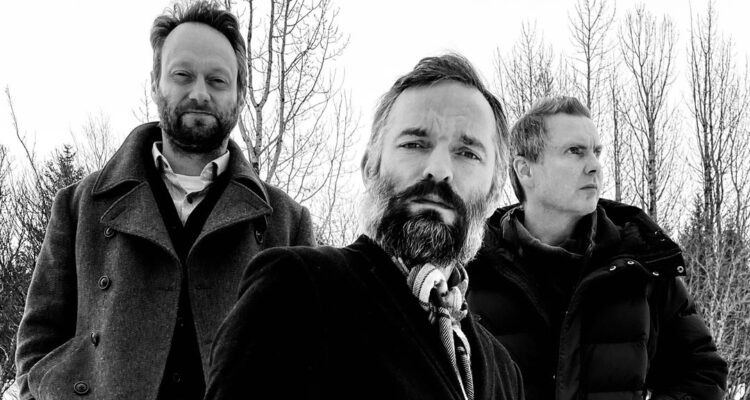
Il aura donc fallu une dizaine d’années pour que les Islandais de Sigur Rós nous propose un successeur à Kveikur. Entre le départ et le retour du claviériste Kjartan Sveinsson, la bande aura pris son temps pour dérouler son fil post-rock atmosphérique qui nous embarque loin, très loin, dans l’intériorité. Envisagé après la période COVID et enregistré entre l’Islande, les États-Unis et les mythiques studios Abbey Road de Londres, Átta (traduire Huit comme le huitième album du groupe) n’a pas besoin de réinventer les choses mais d’explorer plus profondément une musique à la fois brute et sophistiquée. En allant chercher dans le London Comptemporary Orchestra de quoi nourrir un peu plus l’intimité de leur musique, Sigur Rós ne change pas de direction mais fortifie ses espaces mélodiques, convoque une pléthore d’idées et de trouvailles que d’aucuns jugeraient encombrantes si elles ne constituaient pas l’ADN d’un groupe décidément unique. Pour autant, ce nouvel album trouve sa plénitude et sa cohérence à travers une dizaine de titres aux atmosphères plus troublantes que véritablement troubles (l’intention de ne pas avoir de batterie était présente dès l’origine du projet), qui se ressentent avant tout et qui percent quelque chose de fantasmagorique (« Klettur« , « Mór« ). La voie tracée n’est pas évidente. Elle pourra même sembler vaine pour qui n’accepte pas le voyage. Les autres trouveront de quoi décoller à travers ces nappes de fumeroles musicales étirées parfois jusqu’à la moelle comme le morceau éponyme qui clôt ce retour avec une forme de grandiose qui s’enroule dans les vocalises de Jónsi, appuyé par quelques notes de piano qui ponctue le voyage avant de s’estomper sur quelques dernières nappes éthérées. Tout simplement beau.
ENGLISH VERSION
It took around ten years for the Icelanders of Sigur Rós to offer us a successor to Kveikur. Between the departure and return of keyboardist Kjartan Sveinsson, the band took its time to unfold its atmospheric post-rock thread which takes us far, very far, into interiority. Envisioned after the COVID period and recorded between Iceland, the United States and the legendary Abbey Road studios in London, Átta (translate Eight as the group’s eighth album) does not need to reinvent things but to explore more profoundly a music that is both raw and sophisticated. By seeking in the London Comptemporary Orchestra something to nourish a little more the intimacy of their music, Sigur Rós does not change direction but strengthens its melodic spaces, summons a plethora of ideas and discoveries that some would consider cumbersome if they did not constitute the DNA of a decidedly unique group. However, this new album finds its fullness and coherence through around ten titles with atmospheres more disturbing than truly troubled (the intention of not having drums was present from the beginning of the project), which are felt above all and which pierce something phantasmagorical (« Klettur », « Mór »). The path traced is not obvious. It may even seem vain to those who do not accept the journey. The others will find something to take off through these layers of musical fumaroles sometimes stretched to the marrow like the eponymous piece which closes this return with a form of grandeur which wraps itself in the vocalizations of Jónsi, supported by a few piano notes which punctuates the journey before fading into a few final ethereal layers. Simply beautiful.
SIGUR RÓS – ÁTTA
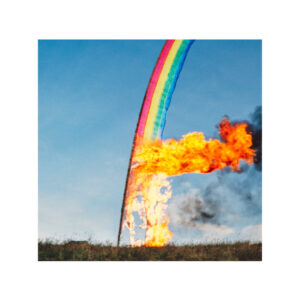
Titre : Átta
Artiste : Sigur Rós
Date de sortie : 2024
Pays : Islande
Durée : 56’34
Label : BMG
Setlist
1. Glóð (3:39)
2. Blóðberg (7:16)
3. Skel (4:58)
4. Klettur (6:31)
5. Mór (5:47)
6. Andrá (4:07)
7. Gold (5:13)
8. Ylur (5:55)
9. Fall (3:27)
10. 8 (9:41)
Line-up
– Jón Birgisson / vocals, synthesizer (1,4-7,10)
– Georg Hólm / bass, synthesizer (1)
– Kjartan Sveinsson / piano, synthesizer (1,3-5,10), harpsichord (6), hurdy-gurdy, vibraphone (7)
With the London Contemporary Orchestra:
– Robert Ames / orchestra conductor (1-8,10)
– Ólafur Ólafsson / percussion (1,7,9,10)
– Ingi Erlendsson / trombone & tuba (4,10)
– Helgi Jónsson / trombone (4,10)
– Eirikur Ólafsson / trumpet (4,10)
– Snorri Sigurðarson / trumpet (4,10)
– María Sigfúsdóttir / violin (4,10)
Laisser un commentaire