

La terre a tremblé. Enfin, pas tout à fait, mais s’il fallait qualifier l’annonce faite, en novembre dernier, d’un retour ex abrupto de Porcupine Tree à la porte des disquaires, nulle doute qu’une telle métaphore à l’emporte-pièce pouvait donner un peu d’équilibre sur la réaction incrédule puis extatique de la communauté prog. Pire encore, un nouvel album intitulé Closure/Continuation était d’ores et déjà enregistré deux mois auparavant ! Tsunami. Il faut dire que depuis The Incident (2009), nous avions laissé le groupe dans un hiatus pour le moins inconfortable. Porté par Steven Wilson, en projet solo d’abord, puis en bande organisée, Porcupine Tree avait muté, tranquillement, au gré des synthèses musicales de son leaders, entre prog-pop-métal-atmosphérique et plus si affinités. Mis en sommeil au sommet de sa popularité – fauché comme un lapin en plein vol diront même certains – pour vaquer à des ambitions personnelles que son leader avouait ne pouvoir accomplir dans une configuration à choix multiple, les chemins parcourus par ses membres ne furent pourtant pas du même tonneau : Wilson s’embarquera vers les pics créatifs de The Raven That Refused to Sing (2013) et Hand.Cannot.Erase (2015) puis au succès commercial de To the Bone (2017) – et sa tournée des grands ducs – avant de basculer dans une pop acidulée qui provoquera un véritable schisme parmi ses fans (The Future Bites, 2021), Richard Barbieri poursuivra sa carrière solo (et deux albums avec Steve Hogarth), Gavin Harrison intègrera The Pineapple Thief alors que Colin Edwin multipliera les projets (solo, Ex-Wise Heads, Twinscapes, Armonite, Obake, O.R.k., Astarta, Tim Bowness) sans véritablement se fixer. Ce dernier refusera d’ailleurs de réintégrer le quatuor laissant Porcupine Tree devenir logiquement Porcupine Three.
Après plus de douze années de silence, chacun était en droit de se demander si cette histoire était une vraie mauvaise ou une fausse bonne idée. Un concept lacunaire dans lequel se sont fourvoyés un nombre impressionnant d’adeptes du come-back à la vas-y que je te pousse sur la scène. Pire encore, certaines déclarations de Steven Wilson laissaient entrevoir un abandon ferme de la guitare – dont il disait que le rock avait fait le tour – et de ses angles les plus aiguisés. Et puis la pandémie. Les cartes rebattues changèrent la donne et le compositeur retravailla son paradigme à la racine. Et la racine la plus solide, la plus profonde était celle du Porcupine Tree. Forcément.
Ne pas surjouer les nostalgiques. Wilson n’allait pas se précipiter sur scène avec une compilation de morceaux de bravoure qui auraient, de toutes façons, fait sold out. Pour asseoir les choses proprement, lui et Harrison vont commencer à travailler sur de nouvelles compositions dès 2011. Secret bien gardé. A partir d’improvisations basse-batterie ils agrègent des bouts de chansons sur lesquelles Barbieri viendra ensuite poser ses claviers. La méthode est un nouveau challenge pour Wilson, qui a encore à l’époque l’habitude de travailler seul, mais indispensable s’il veut conserver de la distance avec ce qu’il produit par ailleurs dans sa carrière solo. Au final, une dizaine de titres – dont trois bonus pas du tout anecdotiques sur la version Deluxe – qui ne s’acharnent pas à recycler ou à regarder en arrière mais bien à aller de l’avant sans jamais oublier son pédigré.
« Even when the rain comes, we can still find a future in tomorrow »
(même quand la pluie arrive, nous pouvons encore trouver un futur à demain) – extrait de Chimera’s Wreck
En balançant les huit minutes de « Harridan » en préambule de leur onzième album, nos amis avaient de quoi rassasier les plus délicats : une rythmique d’enfer avec sa ligne de basse vrombissante (Wilson sonne très différemment de Edwin mais quel groove !) et une batterie virevoltante, des claviers ombrageux, une voix trafiquée, le titre prend immédiatement des allures cinématiques avant la cassure, le crash métallique, son climax bien accroché, puis le calme revenu. Enfin. Le morceau pourrait derechef passer pour une sorte de maître étalon de l’univers Porcupine Tree. Un suc immanent post Signify tant l’ADN du groupe en déborde à chaque instant. Avec une telle entrée, la suite pourrait sembler plus terne. Erreur. Si « Of the New Day » s’appuie sur les influences de Pink Floyd mais surtout les échos de l’époque Stupid Dream (1999) et Lightbulb Sun (2000), avec cette mélancolie latente qui saura trouver la bonne émotion, le retour au dark side of the band sur « Rats Return », résurgences In Absentia en prime, et « Dignity » qui évoquera la période Hand.Cannot.Erase de Wilson s’amusent avec nous sans trop transpirer le neuf avec du vieux. Le danger était là. Mais l’album s’en défait non pas en proposant de la nouveauté à tout crin mais plutôt un mélange, subtile, de ce qui fait la signature du groupe et de son leader historique en particulier. Un jeu de références espiègle qui regarde le passé droit dans les yeux. S’enchaîne alors le festif « Herd Culling » alors que des nappes plus expérimentales et électroniques font leurs apparitions sur « Walk the Plank » avant que tout cela ne s’emballe à nouveau sur le broussailleux « Chimera’s Wreck » qui clôt l’album en format « tout venant » tout en l’ouvrant aux trois titres supplémentaires mais nuitamment inspirés de la version « augmentée » dont la scintillante instrumentale « Population Three » au titre forcément évocateur.
Il n’avait échappé à personne que le titre Closure/Continuation était une référence à la réunion du groupe avec ce regard vers l’avenir inconnu, incertain. Album à la séduction insidieuse, faussement complexe mais ambitieux, il porte en lui les germes du bercail. Porcupine Tree reviendra évidemment sur scène entériner ce retour inespéré, inattendu. Mais après ? La parenthèse reste ouverte. Magnétique.
ENGLISH VERSION
The earth shook. Well, not quite, but if the announcement last November of Porcupine Tree’s abrupt return to the record stores had to be qualified, there’s no doubt that such a sweeping metaphor could give some balance to the incredulous and then ecstatic reaction of the prog community. Worse still, a new album entitled Closure/Continuation had already been recorded two months earlier! Tsunami. It must be said that since The Incident (2009), we had left the band in an uncomfortable hiatus, to say the least. Carried by Steven Wilson, first as a solo project, then as an organised band, Porcupine Tree had mutated, quietly, according to the musical syntheses of its leaders, between prog-pop-metal-atmospheric and more if affinities. Put to sleep at the height of their popularity to pursue personal ambitions the paths taken by its members were not, however, of the same barrel: Wilson would embark on the creative peaks of The Raven That Refused to Sing (2013) and Hand.Cannot. Erase (2015) and then to the commercial success of To the Bone (2017) before switching to an acid pop that will provoke a real schism among his fans (The Future Bites, 2021), Richard Barbieri will pursue his solo career (and two albums with Steve Hogarth), Gavin Harrison will integrate The Pineapple Thief while Colin Edwin will multiply projects (solo, Ex-Wise Heads, Twinscapes, Armonite, Obake, O.R.k., Astarta, Tim Bowness) without really settling down. The latter refused to rejoin the quartet, leaving Porcupine Tree to logically become Porcupine Three. After more than twelve years of silence, everyone had the right to wonder if this story was a good or a bad idea. It was a flawed concept, one that an impressive number of comeback enthusiasts had fallen for. Worse still, some of Steven Wilson’s statements hinted at a firm abandonment of the guitar – which he said rock had done all it could – and of its sharpest angles. And then the pandemic. The cards were reshuffled and the composer reworked his paradigm at the root. And the strongest, deepest root was the Porcupine Tree. It had to be. Don’t overplay the nostalgia. Wilson wasn’t going to rush on stage with a compilation of bravura pieces that would have sold out anyway. To make things more solid, Wilson and Harrison will start working on new compositions in 2011. A well-kept secret. From bass-drums improvisations they aggregate bits of songs on which Barbieri then comes to lay down his keyboards. The method is a new challenge for Wilson, who is used to working alone, but essential if he wants to keep some distance from what he produces in his solo career. In the end, a dozen tracks – including three not at all anecdotal bonuses on the Deluxe version – that don’t try to recycle or look backwards, but to move forward without forgetting his pedigree. With the eight minutes of « Harridan » as a preamble to their eleventh album, our friends had enough to satiate the most delicate: a hellish rhythmic with its whirring bass line (Wilson sounds very different from Edwin but what a groove!) and a twirling drum kit, shady keyboards, a doctored voice, the track immediately takes on cinematic allure before the break, the metallic crash, its well-hung climax, and then the return of calm. Finally. The track could once again pass for a sort of master standard of the Porcupine Tree universe. An immanent post-Signify success, so much the DNA of the band overflows at every moment. With such an entry, the rest of the album could seem more dull. But it’s not. If « Of the New Day » relies on Pink Floyd’s influences but especially echoes of the Stupid Dream (1999) and Lightbulb Sun (2000) era, with this latent melancholy that will know how to find the right emotion, the return to the dark side of the band on « Rats Return », with In Absentia’s resurgences as a bonus, and « Dignity » that will evoke Wilson’s Hand.Cannot.Erase period, have fun with us without sweating too much the new with the old. The danger was there. But the album avoids it, not by proposing the new at all costs, but rather a subtle mix of the band’s signature elements and of its historical leader in particular. A mischievous game of references that looks the past straight in the eye. The festive « Herd Culling » follows, while more experimental and electronic layers make their appearance on « Walk the Plank » before it all goes haywire again on the bushy « Chimera’s Wreck », which closes the album in an « everything » format while opening it up to the three additional but nightly inspired tracks of the « augmented » version, including the scintillating instrumental « Population Three » with its inevitably evocative title. It had not escaped anyone’s attention that the title Closure/Continuation was a reference to the band’s reunion with this look towards the unknown, uncertain future. An insidiously seductive album, deceptively complex but ambitious, it bears the seeds of the fold. Porcupine Tree will obviously return to the stage to confirm this unexpected return. But afterwards? The parenthesis remains open. Magnetic.
PORCUPINE TREE – CLOSURE/CONTINUATION
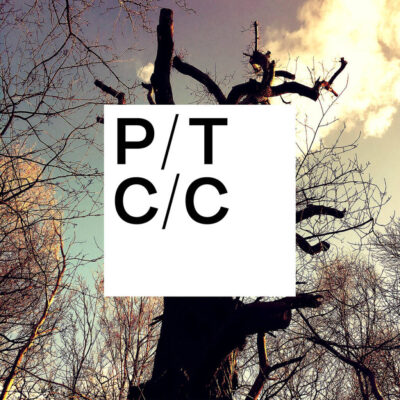
Titre : Closure/Continuation
Artiste : Porcupine Tree
Date de sortie : 2022
Pays : Angleterre
Durée : 48’01 / 65’48
Label : Music for Nations / Sony
Setlist
1. Harridan (8:08)
2. Of the New Day (4:43)
3. Rats Return (5:40)
4. Dignity (8:22)
5. Herd Culling (7:03)
6. Walk the Plank (4:27)
7. Chimera’s Wreck (9:39)
Bonus tracks from deluxe editions:
8. Population Three (6:52)
9. Never Have (5:08)
10. Love in the Past Tense (5:50)
Line-up
– Steven Wilson / vocals, guitars, mixing
– Richard Barbieri / keyboards, synthesizers, sound processing
– Gavin Harrison / drums & percussion
Laisser un commentaire